BIDSMART
Base-Chain Penny Auction NFT Marketplace with Two-Tier Affiliate Rewards
 BidSmart
THE PROJECT
Our client had launched a complex NFT penny auction platform on Base chain, but the initial development was poorly executed. Users faced critical bugs that blocked core functionality, rewards were calculating incorrectly, and displayed data did not match actual account values. Beta testers were losing access to features they had earned, and trust in the platform was eroding. The client needed us to take over the entire codebase, diagnose every issue, stabilize the system, and completely redesign the user experience to make BidSmart functional, reliable, and ready for mass adoption.

01 Objectives
The client had a functional but deeply flawed platform that was failing its early adopters. Our objective was threefold: first, to diagnose and resolve all critical bugs preventing users from participating in auctions and earning rewards; second, to overhaul the entire user interface for clarity, mobile responsiveness, and ease of use; and third, to build the foundation for automated operations and scalability. The goal was to transform a broken beta into a production-ready platform users could trust.
02 Challenges
Taking over a poorly built Web3 project presented a unique set of challenges that required deep technical investigation across the entire stack:
- Critical business logic flaws. The smart contract logic contained errors that incorrectly revoked user permissions after certain time periods, even for users who had met all requirements. This blocked active participants from accessing core platform functions like bidding and purchasing.
- On-chain accounting errors. When users added value to their accounts through new purchases, the system failed to update their total active value correctly. Reward calculations remained based on old values, and participation requirements did not adjust proportionally, causing users to receive incorrect earnings.
- Data inconsistency across the stack. The user interface displayed totals that included expired or inactive items, creating a mismatch between what users saw and their actual account status. This eroded trust and made it impossible for users to make informed decisions.
- Slow and unreliable indexing. The subgraph that indexed on-chain events experienced significant delays, causing reward claims and UI updates to lag far behind real-time activity. Users could not rely on the platform for time-sensitive auction participation.
- Complex multi-project architecture. The platform was built as five interconnected projects (frontend, admin dashboard, backend API, subgraph, and smart contracts) with intricate dependencies. Diagnosing issues required understanding how data flowed across the entire system and where failures originated.
- Unclear qualification rules. The conditions for maintaining certain user statuses were ambiguously defined in the code, making it difficult to predict when permissions would change and impossible to communicate clear rules to users.
03 Solutions
We executed a complete takeover and remediation of the BidSmart platform, addressing every critical issue while laying the groundwork for future automation and scale. Key solutions included:
- Smart contract forensic audit and remediation. We reviewed the entire contract suite, identifying and fixing logic errors that were incorrectly revoking user permissions. The corrected logic now preserves earned status for qualified users, restoring access for all affected participants.
- Core accounting engine overhaul. We rebuilt the fundamental accounting logic that tracks user value across multiple purchases and package types. Reward calculations now correctly reflect total active value, and participation requirements adjust dynamically when users add to their accounts.
- Data synchronization architecture. We redesigned how the frontend calculates and displays user totals, ensuring the UI always shows only active, valid items. Real-time data consistency between on-chain state and user-facing displays is now guaranteed.
- Subgraph performance optimization. We tuned the indexing infrastructure, reducing block lag from hundreds of blocks down to near real-time. We also implemented fallback query paths and monitoring tools to ensure reward claims and UI sync remain reliable even during network congestion.
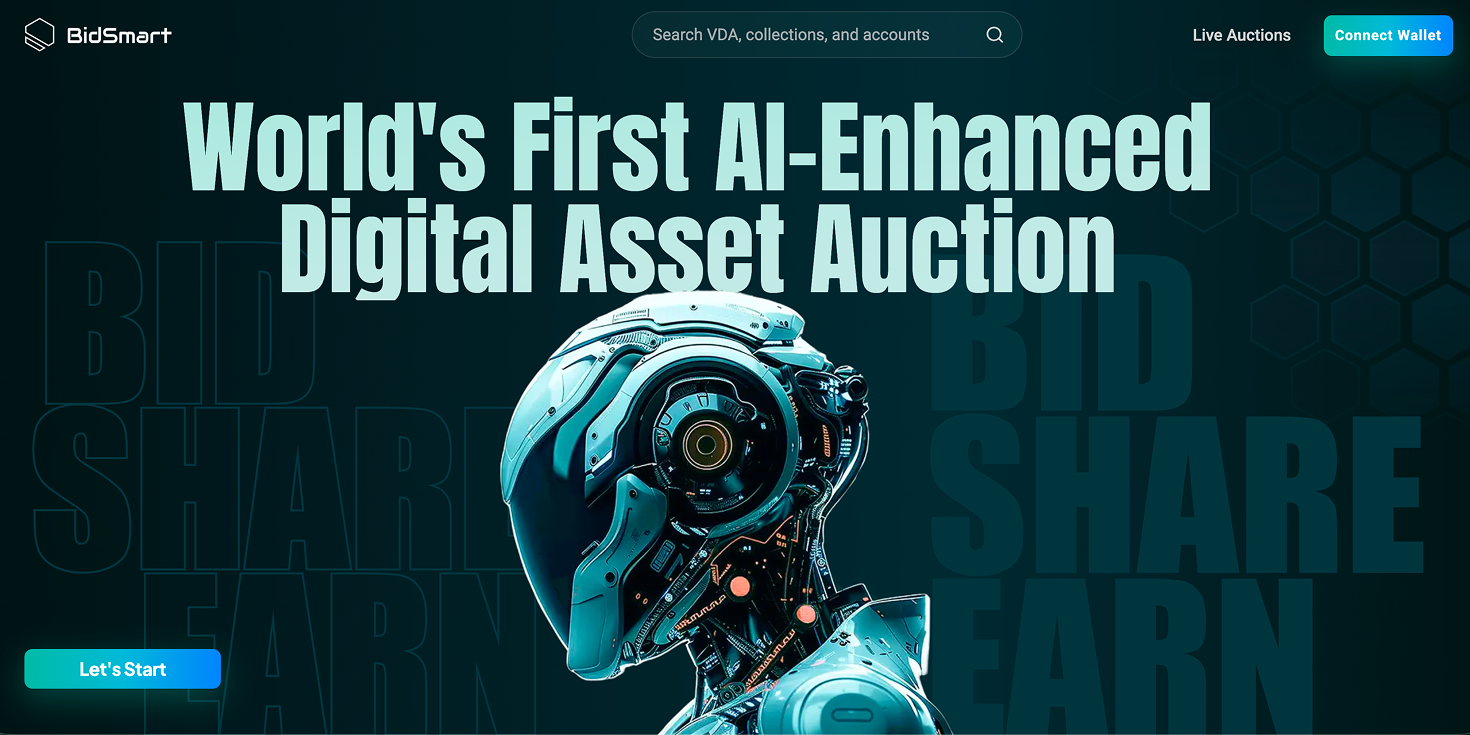
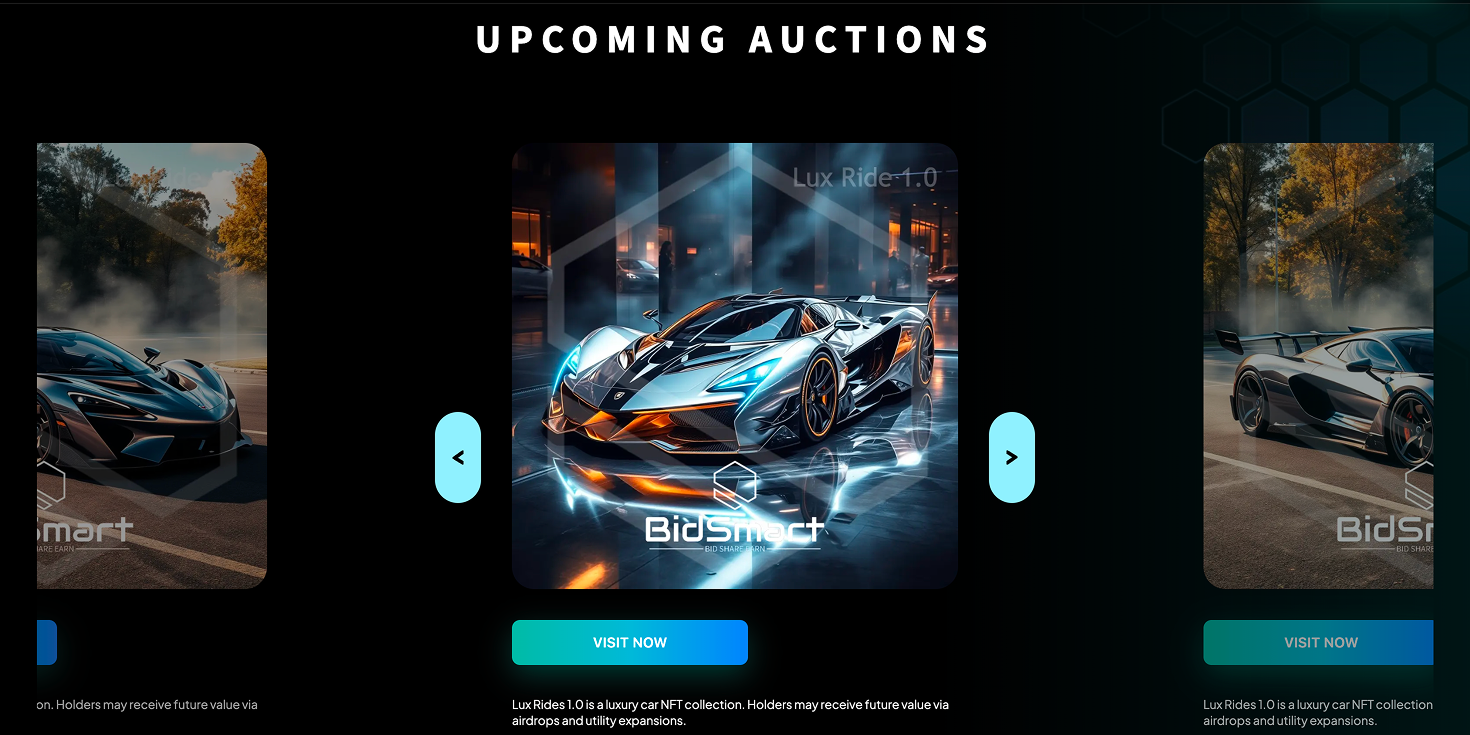
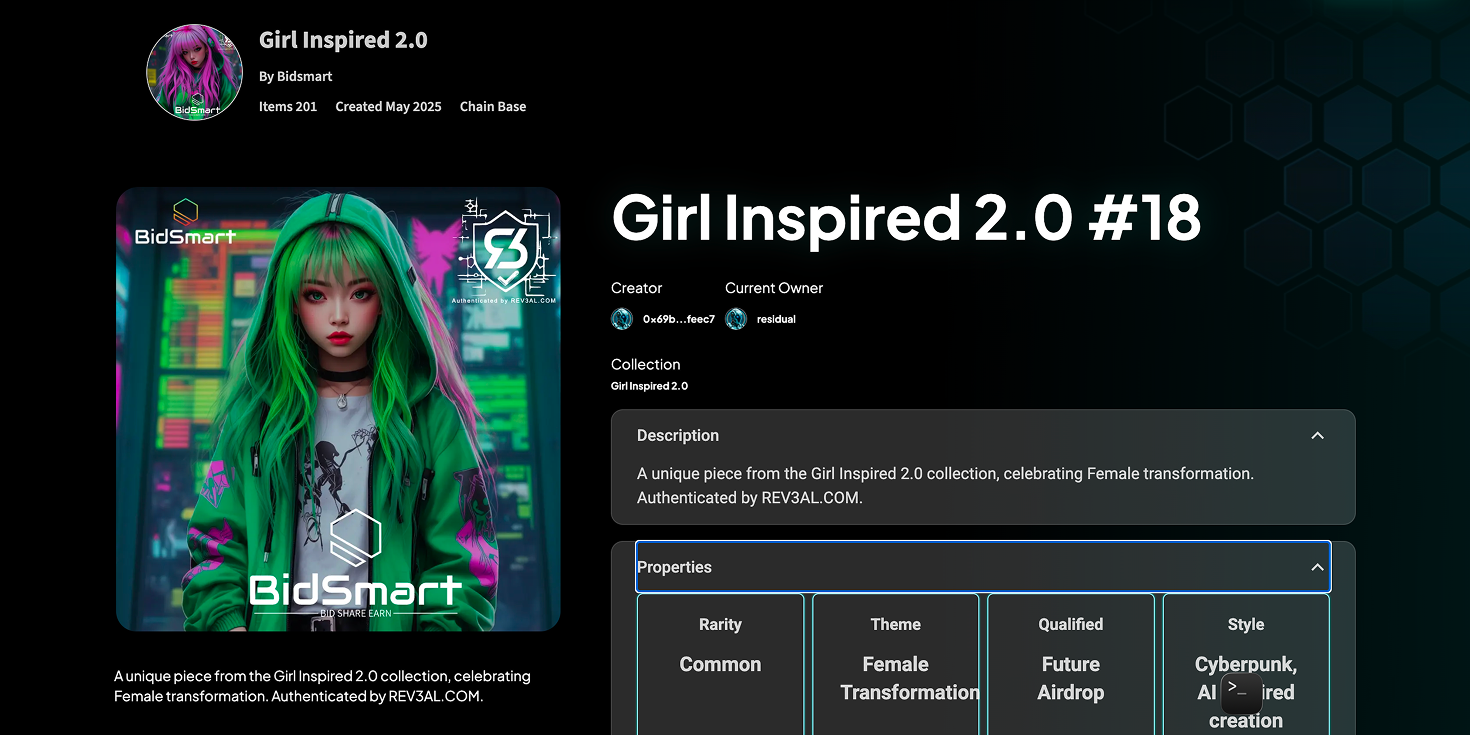
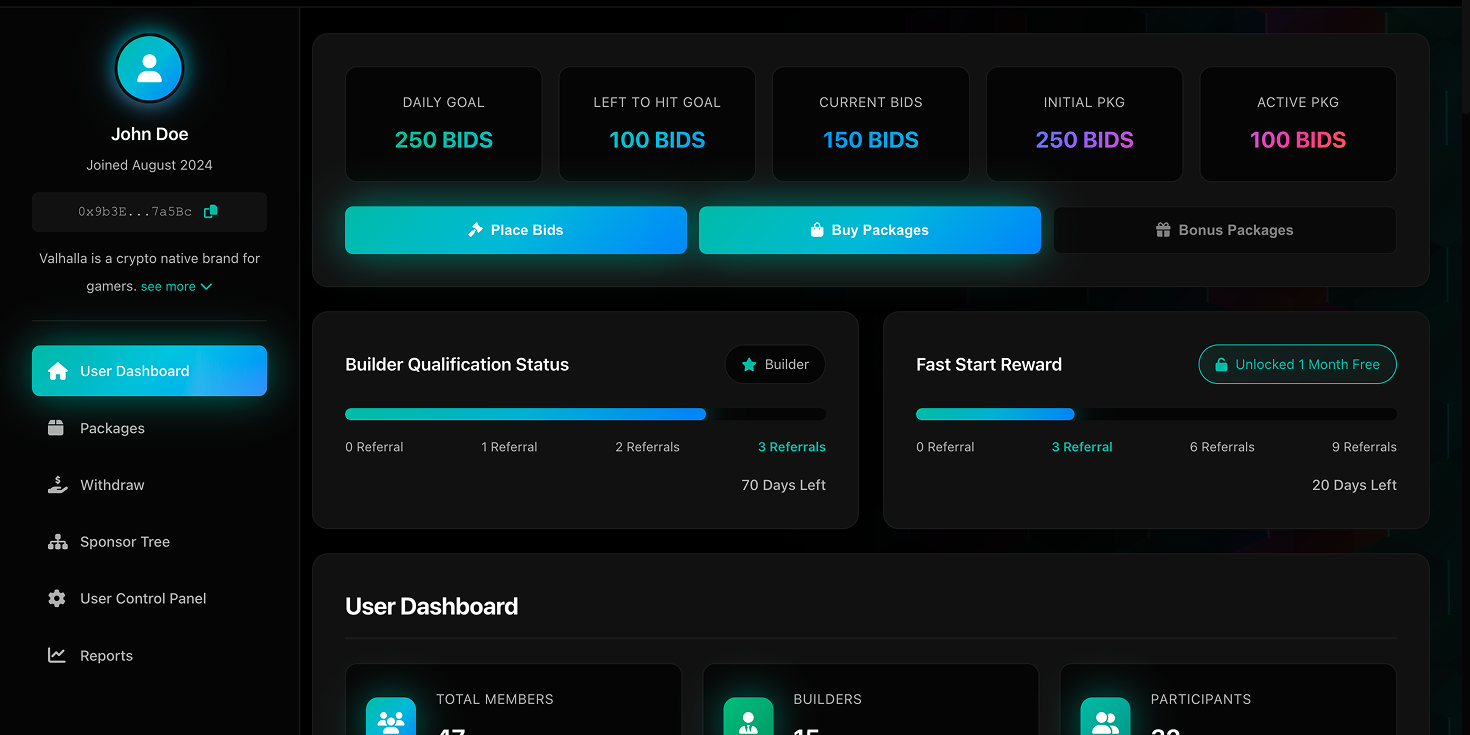
- Complete UI/UX transformation. We overhauled the entire user interface across both the main application and admin dashboard. The new design resolves mobile usability issues, adds real-time auction indicators, and presents accurate data in a clear, trustworthy manner.
- Admin analytics repair. We fixed dashboard graphs to display complete historical data accurately, giving the operations team full visibility into platform performance and user engagement.
- Auction automation foundation. Working from the client's Phase II roadmap, we began implementing automated auction scheduling that enables pre-loading, timed releases, and weighted distribution across multiple NFT collections—moving the platform from manual operations toward fully automated execution.